Why Integrative Medicine and Herbal Therapies?
In this time of pandemics, antibiotic resistance, inflammation and high drug costs, why are so many people turning to integrative medicine and herbal therapies?
 Lynn Lafferty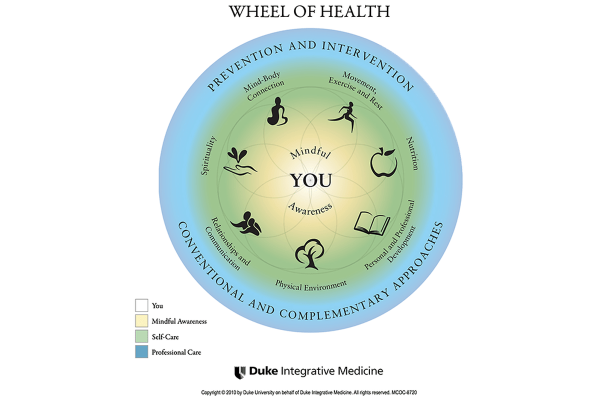
Program Features
- Self-paced
- Interactive LMS Content
- Blockchain-based Certificate
Program Features
- Self-paced
- Interactive LMS Content
- Blockchain-based Certificate
Description
In this time of pandemics, antibiotic resistance, inflammation and high drug costs, why are so many people turning to integrative medicine and herbal therapies?
In this talk show styled course we will highlight the following:
- What is the differences in allopathic medicine (practiced by MDs), osteopathic medicine (practiced by DOs) naturopathic medicine (practiced by NDs) and herbal medicine
- Why plants are superior in treating infectious diseases
- Harvard’s recent findings about inflammation
- Recipes and remedies you can make at home.
Lynn Lafferty
Her agricultural practices, now recognized as permaculture, involved cultivating plants strategically to encourage mutual support. Research shows, plants and trees communicate through chemical messengers to aid each other. She skillfully planted deterrents for unwanted bugs and paired deep-rooted plants with shallow-rooted ones to ensure water supply during droughts. Her farm relied on a deep well with clean water, supported by an innovative irrigation system.
Despite the technological advancements, my grandmother shunned electricity, even when my father, a prominent electrical engineer, attempted to introduce it. Her intuitive stance aligns with modern findings we explore at the American Academy of Environmental Medicine, highlighting individuals intolerant to electric lines and wireless EMF.
Grandmother shared her wisdom during walks in the woods, introducing us to herbal wildflowers and mushrooms — a practice known as forest bathing or Shinrin-yoku, proven to reduce stress chemicals in the body. Unbeknownst to me then, the beauty of turkey tail mushrooms, later studied for cancer benefits, fascinated me.
She served as the local medicine woman, relying on natural remedies. Remarkably, she abstained from synthetic medicine until a car accident at 80 resulted in a broken hip. Despite doctors’ grim predictions, she defied odds, living another 13 years, tending to her garden and canning her harvest.
On the other side, my other grandmother, despite growing up on a farm, distanced herself from farming due to its demanding nature. She, however, imparted a deep love for cooking and spirituality.
Today, we are fortunate to embrace integrative medicine, incorporating mind, body, and soul into health practices. This approach harmonizes healing plants, animal tissues, spiritual and mind practices, and life-saving medications. Armed with knowledge, we can selectively choose interventions for optimal patient outcomes.