Recycling & the Circular Economy for Metals
Explore how metals and critical minerals re-enter the economy through recycling, urban mining, and circular design. Covers battery recycling, e-waste, the Ellen MacArthur framework, EU Battery Regulation, and global e-waste policy.
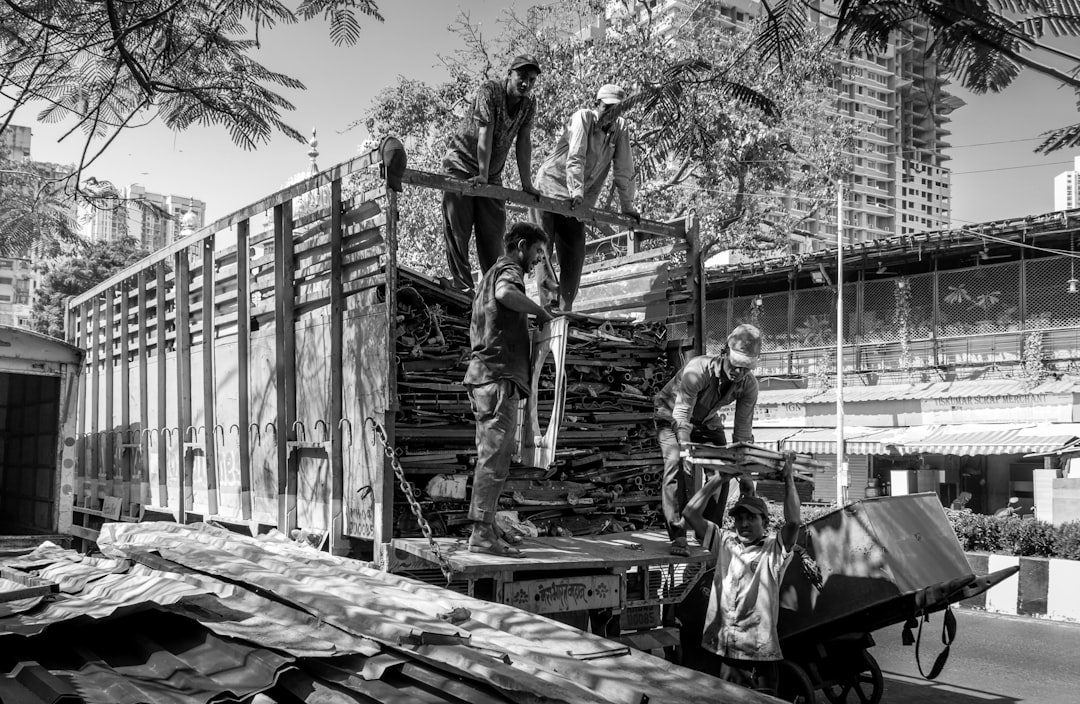
Program Features
- Self-paced
- Online
- Interactive LMS Content
- Blockchain-based Certificate
Program Features
- Self-paced
- Online
- Interactive LMS Content
- Blockchain-based Certificate
Description
Closing the Loop: Recycling, Urban Mining, and the Circular Economy for Critical Metals
The linear model of mining, manufacturing, and disposal is increasingly unsustainable — both environmentally and economically. Recycling and circular economy approaches offer a pathway to reduce dependence on primary mining, lower carbon emissions, and build more resilient supply chains for critical minerals.
This course examines the full spectrum of metal recycling — from established aluminum and copper recycling to emerging battery recycling and e-waste recovery. Drawing on research from the Ellen MacArthur Foundation, UNEP, EU regulatory bodies, DOE's ReCell Center, and the Global E-Waste Monitor, students will understand both the technical and policy dimensions of the metals circular economy.
Who This Class Is For
- Environmental and circular economy professionals
- Battery and electronics industry professionals
- Policy professionals working on waste and resource legislation
- Sustainability analysts and ESG practitioners
Program Syllabus
Module 1: The Circular Economy Framework
Ellen MacArthur Foundation's circular economy principles. Restorative and regenerative design. Why metals are well-suited to circularity.
Module 2: Battery Recycling Technologies
Battery collection and pre-processing. Pyrometallurgical, hydrometallurgical, and direct recycling pathways. DOE ReCell Center research. Recovery rates and economics.
Module 3: E-Waste & Urban Mining
Scale of the global e-waste problem. Critical minerals in electronics: gold, copper, cobalt, rare earths. E-waste collection and processing infrastructure. Global E-Waste Monitor findings.
Module 4: EU Circular Economy Regulation
EU Battery Regulation recycled content mandates. EU Circular Economy Action Plan. WEEE Directive. Extended producer responsibility.
Module 5: Base Metal Recycling
Aluminum and copper recycling at scale. Steel scrap markets. Secondary vs primary production economics and energy savings.
Module 6: Challenges & Opportunities in Metals Recycling
Collection infrastructure gaps. Material contamination and alloy complexity. Investment and policy levers. Long-term role of secondary supply in critical mineral security.